

Medical Travel Research
Learn what a review can establish, how to trace its origin and when a detailed story still leaves an important question unanswered.
A review can be genuine yet irrelevant to the care you are considering. Someone may be describing a consultation, a different procedure or a facility other than the one proposed to you. The useful task is to identify exactly what happened, who reported it and which part of your decision it informs.
Which review sources deserve more weight?
Give greater weight to an account you can trace and examine, but do not treat its location on a particular website as proof of authenticity. A firsthand narrative, a provider-selected testimonial and an aggregate directory score answer different questions.
A detailed account may describe communication or follow-up more usefully than a rating. A testimonial shows an experience the publisher chose to feature, but does not establish how representative it is. A directory can help you find accounts, provided the underlying text and business identity are accessible.
Read positive and negative accounts by the same standard. Praise without specifics offers little to investigate; criticism without identifying what happened may also be difficult to interpret. Conversely, a specific complaint deserves attention even when the overall rating is favorable. The distinction is between information you can examine and an impression you cannot yet test, not between favorable and unfavorable wording.
How do you trace a search result to the original account?
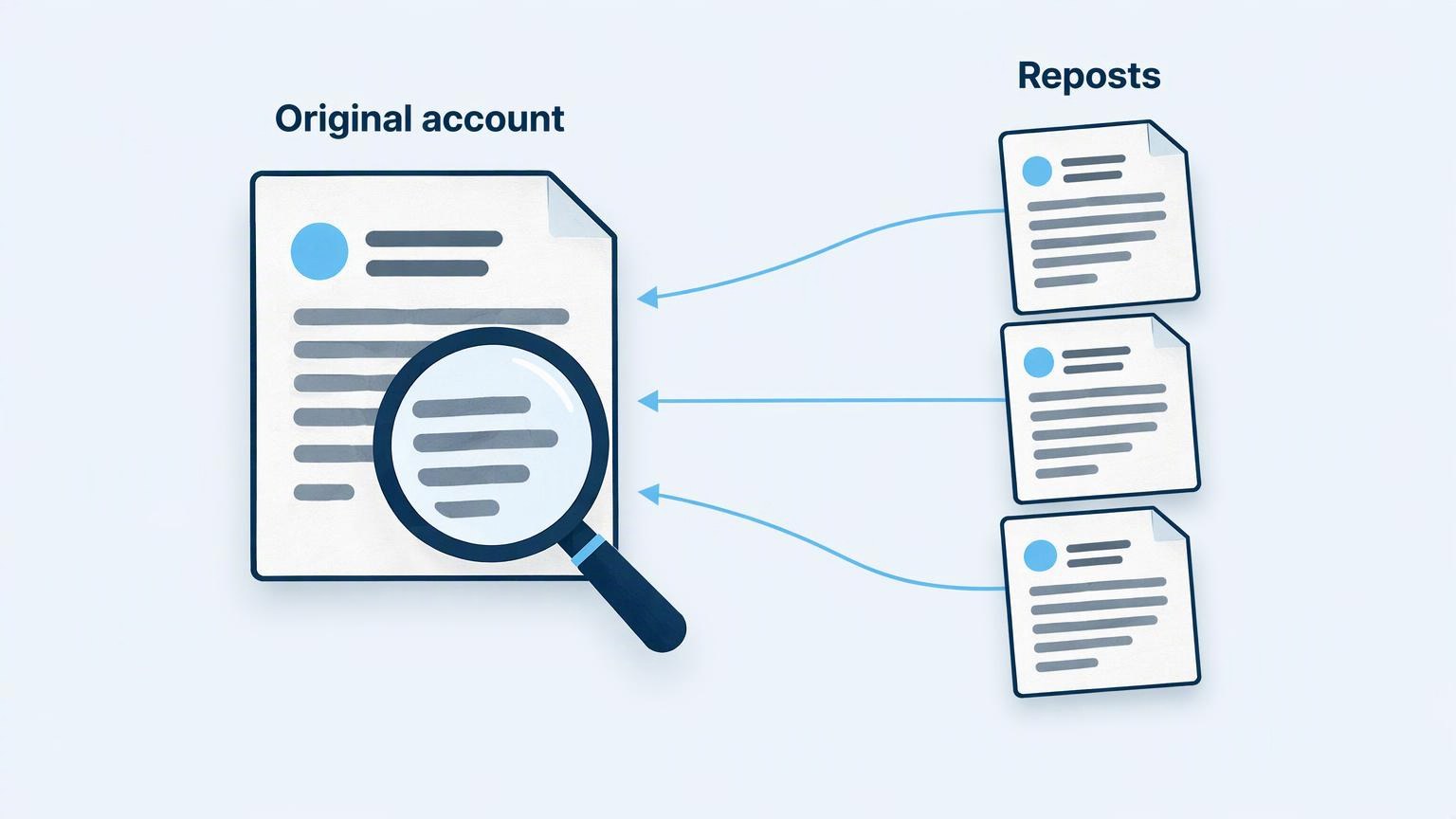
Open the result and establish whether it contains a firsthand experience before using it as review evidence. A question asking for recommendations is a lead to investigate, not an account of completed care.
Begin with the provider’s full name, Tijuana and the procedure you are researching. If the results describe the wrong procedure or only the clinic brand, narrow the search accordingly. If you already have a distinctive sentence from an account, search that sentence in quotation marks to look for an earlier version or copies elsewhere.
On the original page, identify the author, publication date and any later updates. Follow attribution links when available. If only a preview is accessible, leave the experience unassessed rather than filling in the missing context.
Then search for separate accounts addressing the same issue. Repeated wording or the same photographs may represent redistribution of one story, not corroboration. Keep the original URL and your reading notes privately so you can revisit the account without relying on memory.
| Source type | Useful for | Limit |
|---|---|---|
| Traceable firsthand account | Examining specific events and follow-up | One person’s experience does not predict yours |
| Provider-selected testimonial | Understanding an experience the provider highlights | Selection does not establish representativeness |
| Aggregate directory listing | Locating accounts and identifying issues to investigate | A score without underlying text provides little context |
| Repost or recommendation request | Finding an original account or a research lead | Not independent evidence of completed care |
Does the listing identify the exact Tijuana provider?
A review is applicable only if you can connect it to the surgeon or facility under consideration. A general clinic label is not enough to identify who performed a procedure.
The Birdeye profile titled “Cosmetic clinic” illustrates the problem. It says the profile has not been claimed by the business owner or representative. Its location field also combines Tijuana with “United States.” These details do not prove the business or its reviews are false, but they make the directory insufficient on its own for identifying the provider.
Resolve a mismatch by comparing the full business name, surgeon’s name and facility identity with the provider’s own current information. Do not silently correct a directory error and assume everything else matches. A clinic’s reviews may describe several people or services, while your proposed care concerns a particular clinician and setting.
If the identities cannot be reconciled, set the listing aside. Its praise or criticism should not be transferred to a similarly named provider.
What do dates and specific details actually tell you?
Dates establish which stage of the experience the reviewer describes; details establish what you can reasonably learn from it. A newly published account may concern older care, and an early update cannot describe events that happened afterward.
Distinguish the publication date, treatment timing and latest reported follow-up. When treatment timing is absent, you cannot tell how current the account is. When follow-up ends early, limit your interpretation to that period rather than assuming a settled outcome.
Use this short checklist for your private reading notes:
- Original author, URL and any disclosed commercial connection.
- Named clinician, facility and procedure.
- Treatment timing and latest update.
- Specific events, responses and issues the account leaves open.
Detail also has boundaries. An account of clear scheduling may inform your communication expectations, but it does not establish surgical competence. A description of travel arrangements does not establish what your booking includes. A reviewer’s recovery experience does not determine your own suitability, length of stay or clearance to fly.
How should you interpret conflicting reviews?
First determine whether the accounts actually contradict each other. Reviews about different stages or services can both be accurate while supporting different conclusions.
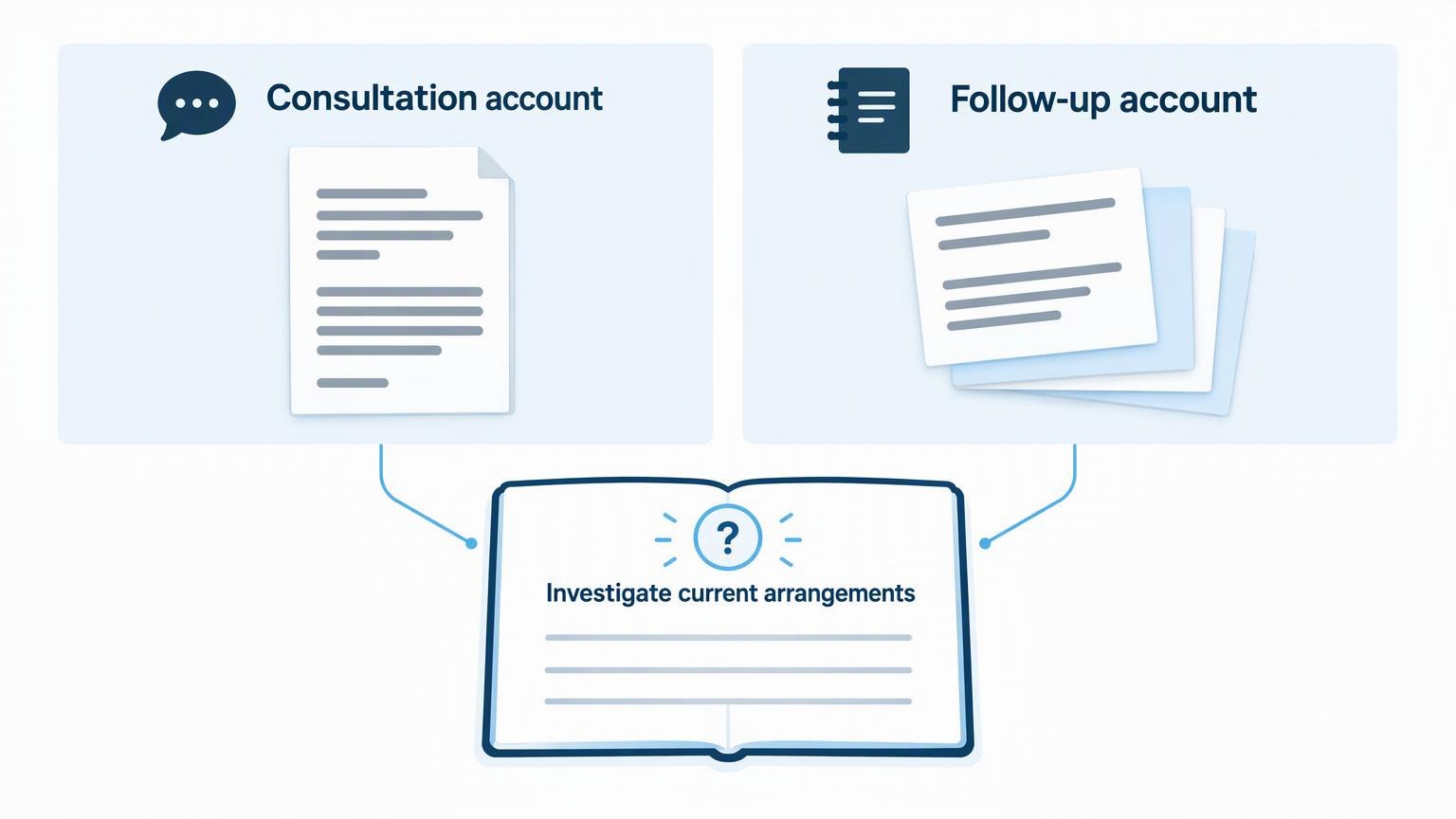
Say you are researching a body-contouring procedure in Tijuana. A recent account praises a consultation and prompt replies, but does not describe surgery. An older account names the procedure and facility, describes postoperative communication difficulties and provides later updates.
You could favor the recent praise, reject the provider based on the older criticism or separate what each account establishes. The last approach is more useful: the consultation account supports an impression of initial communication, while the surgery account identifies a follow-up concern. Neither establishes the provider’s current arrangements for your proposed care.
The reasoned outcome is to pause a booking decision and investigate present follow-up responsibility, how concerns are handled and whether the proposed facility matches the older account. You do not need to decide which reviewer is “right” before identifying the missing evidence that matters to you.
What should happen after a review passes your checks?
Use a credible review to prepare for consultation, then verify consequential claims through evidence appropriate to the claim. Reviews do not replace credential records, current facility information or individualized advice from a qualified treating clinician.
Keep three categories in your private notes: what the reviewer reported, what you independently established and what you still need to establish. For credential claims, identify the issuing body and seek its own record for the exact clinician. A testimonial’s use of “certified” does not establish the credential, specialty or current status.
Take questions about eligibility, treatment suitability, recovery and follow-up to the treating clinician. Travel reservations should follow the actual care plan, not another reviewer’s itinerary.
If your research expands to Cancun or the Mexican Caribbean, start a separate provider-and-location assessment. Hospitality Cancun publishes travel and consultation-planning guidance; this article does not establish a Tijuana clinical service or provider relationship. Evidence concerning one destination cannot validate care in another.
Frequently Asked Questions
Does an anonymous review have no value?
An anonymous account can identify a specific issue worth investigating, but its authorship may be harder to establish. Treat it as a lead rather than proof. Do not demand public medical records or identifying documents from the writer; look for independently corroborated information about the issue instead.
Do before-and-after photographs authenticate a review?
No. Photographs alone do not establish authorship, treatment timing, the clinician involved or whether the images depict a comparable procedure. Look for a traceable account explaining their context. Even contextualized images cannot determine your treatment suitability or predict your result; those questions belong with the qualified treating clinician.
Does a provider’s response resolve a complaint?
A response may clarify a disputed point, but an acknowledgment or expression of concern is not evidence that the issue was resolved. Read what action the response actually describes and whether the reviewer later reports an outcome. Silence does not establish a resolution or prove either side’s account.
Can a friend’s recommendation replace online research?
A friend can provide context and answer questions about their own experience more directly than an online account. Still, their procedure, clinician, facility and follow-up needs may differ from yours. Use the recommendation as a starting point, while independently verifying credentials and obtaining advice for your own proposed care.
What belongs in a first Hospitality Cancun inquiry?
Clarify the recipient and purpose before submitting any information. The first submission allows only name, email and optional contact-method preference. Requested replies, optional marketing and referral to a specifically named provider are separate choices. Discuss travel details later; clinical records belong only in a named provider-confirmed secure channel.