

Travel planning and privacy
For a first medical travel inquiry, use only your name, email and optional contact-method preference. Confirm who will receive the information and why before submitting it.
A consultation trip creates several different conversations: an initial contact, a later discussion about travel, and a clinical exchange with a treating provider. Each needs different information. Keeping those stages separate helps you decide what to send, to whom and for what purpose.
At the first stage, use only your name, email and optional contact-method preference. Before using the travel-planning inquiry, read the applicable notice and confirm the recipient and purpose.

What should stay out of the general form
Clinical details should wait until a provider-confirmed secure channel is available. That includes diagnoses, scans, lab results, treatment notes, insurance information, payment details, and attachments. A general contact form is not the place to send more sensitive material than the recipient clearly needs.
The CDC advises travelers to bring copies of records, prescriptions, and medication lists when medical care abroad is involved, which is different from sending those documents into an unverified form. The FTC also advises consumers to compare privacy protections and read notices that explain what information is collected, how it is used, and whether it is shared. Together, those points support a narrow first submission.
Why attachments are a bad first default
Attachments often contain more information than the initial question needs, and they can travel farther than you expect. If the recipient has not clearly explained a secure upload method, do not treat a general web form like a medical records portal.
How a privacy notice should read
A useful privacy notice should tell you, in plain language, what information the site collects, why it collects it, who may receive it, and what choices you have. It should also explain whether the site uses information for marketing, how long information is kept if that is stated, and how you can request deletion if applicable.
You should be able to tell whether the notice covers basic contact data only or also includes health-related information. The notice should not make you guess whether your message may be passed along to someone else, especially if the message could identify a medical concern.
If the notice leaves the recipient or purpose unclear, resolve those details before submitting personal information. Privacy transparency is part of deciding whether you should submit anything at all.
| Situation | Suitable route | Reason | Trade-off |
|---|---|---|---|
| You want to open a planning conversation | Initial contact after the recipient and purpose are clear | Name, email and optional contact-method preference are sufficient | Trip details wait for a later conversation |
| You want a clinician to review records | Provider-confirmed secure channel | The named provider identifies the records needed and the transfer method | Wait until that channel is confirmed |
| You are unsure who receives the form | Clarify the recipient and purpose before submitting data | Sending less does not establish who receives it | The inquiry may need to wait |
| You are deciding what contact or sharing to permit | Make three separate choices | A requested reply does not authorize optional marketing or a named-provider referral | Read what each choice covers before agreeing |
A reply, marketing and a provider referral are three choices
Permission to reply to your requested inquiry lets the recipient address that inquiry. Optional marketing covers promotional updates or offers. Referral consent concerns sharing your details with a specifically named provider for a stated introduction. A planning reply is not automatically marketing permission, and neither choice authorizes an unspecified onward referral.
You can want a reply while declining promotional messages and any provider introduction. If a provider is proposed later, first establish the recipient, purpose and information to be shared. You can then decide on that particular introduction rather than relying on a broad earlier checkbox.
Read the wording beside each choice. A box that combines contact, offers and unspecified sharing makes it difficult to express those different preferences. Clarify a bundled choice before agreeing.
A practical hypothetical consent choice
Suppose Alex wants a response about how the planning conversation works, but does not want promotions or a provider introduction. Alex can choose a reply and decline the other two purposes where the form offers separate controls. If those choices are bundled, Alex should clarify the wording first. Later, a proposed introduction to a named provider can be considered on its own, including which contact details would be passed along.
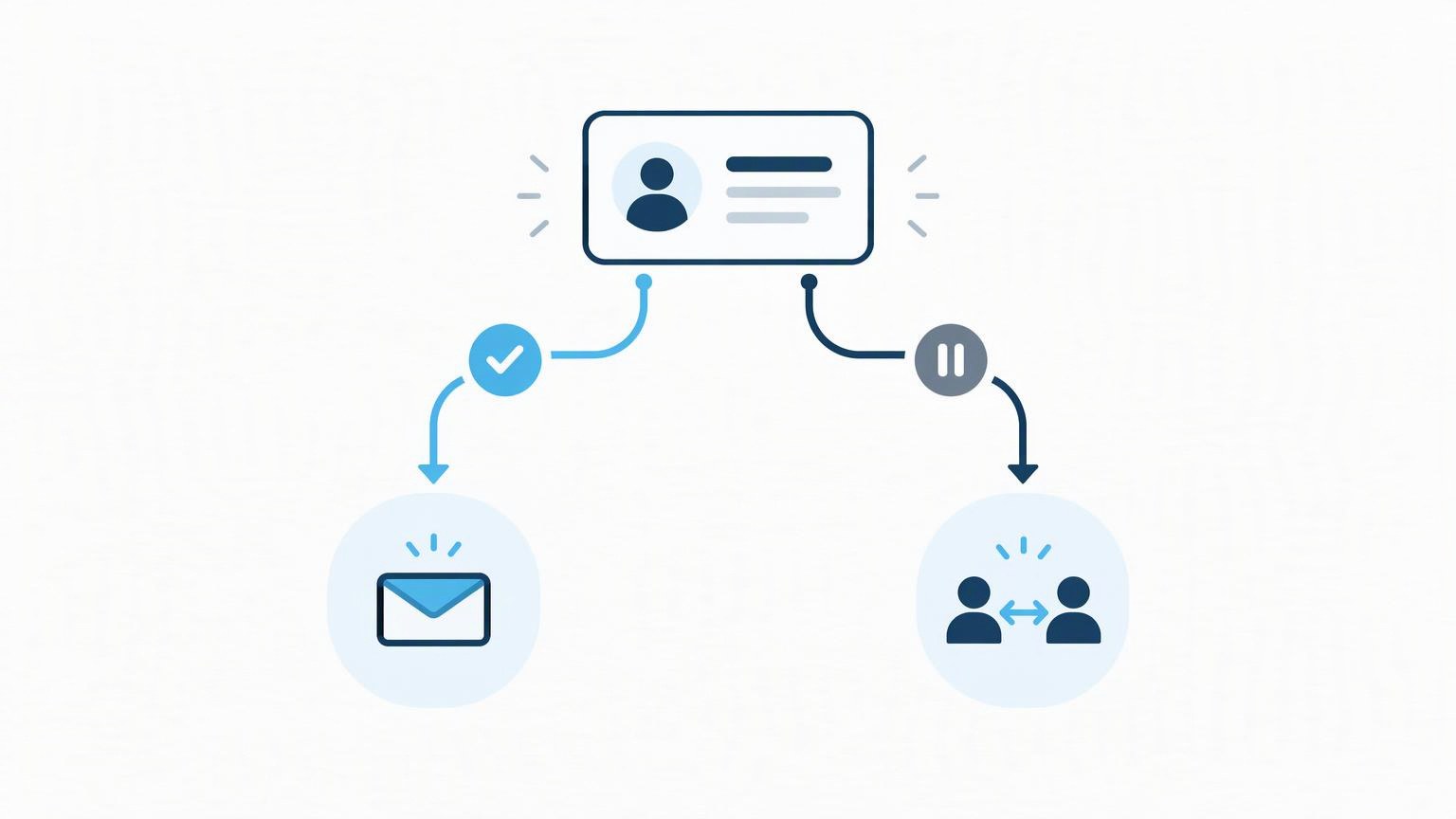
What to do when the recipient or purpose is unclear
If you cannot establish who receives the message or why the information is needed, pause the submission. A shorter message still contains personal information; reducing its length does not verify its destination. Review the published contact and privacy information, then use an independently confirmed channel to clarify the operator, recipient and purpose without supplying health or trip details.
Keep a short record of the explanation: the operator's name, the recipient, the purpose and the date. If the website and the reply identify different parties, resolve that difference before proceeding. A redirect to an unfamiliar form or a request to send records elsewhere deserves a fresh check with the named recipient; the earlier explanation may not cover that new destination.
If the reply still leaves the recipient or use unclear, keep the inquiry on hold. You can continue organizing your own appointment questions and comparing travel terms without submitting them. Choosing to wait is a practical option when the destination of the information remains unresolved.
When a minimal inquiry is appropriate
A minimal inquiry is appropriate after you understand the recipient, purpose and applicable notice, and want to open a planning conversation. It keeps the payload limited to contact details. It does not establish secure routing, consent controls or clinical capability. Those questions require their own evidence; sending fewer details cannot answer them.
Frequently Asked Questions
Can a companion submit an inquiry for me?
Agree with your companion before they enter any information on your behalf. Establish who will receive the reply and whose contact details are being supplied. Keep the initial submission limited to name, email and optional contact-method preference. A companion helping with travel does not automatically have permission to share your clinical records.
Can I send a link to medical records instead of an attachment?
No. A link can disclose the same sensitive information as an attachment, especially if anyone with the link can open it. Keep both out of the initial travel-planning inquiry. If a named treating provider later needs records, confirm the recipient, purpose and secure transfer method directly with that provider.
How can I keep track of the permissions I chose?
Keep a dated note or copy of the notice and the choices you selected, including any named recipient and stated purpose. Keep it separate from medical records. If you later receive contact you did not expect, that record helps you ask the operator which permission it relied on and what information it holds.
What if I agree to a reply but later receive promotional messages?
Use the sender's stated contact or unsubscribe route to clarify your preference. Refer to the inquiry date and the choice you intended, without adding medical details. Ask how to stop optional promotional contact while keeping any requested conversation separate. Do not assume that changing a marketing preference automatically cancels a provider introduction.
What if I change my mind before a provider introduction?
Contact the known operator before further sharing and identify the proposed introduction you no longer want. Ask whether any information has already been sent, to whom, and what next steps are available. Keep your request and the reply. Do not assume that withdrawing a future instruction recalls information already received by another party.