
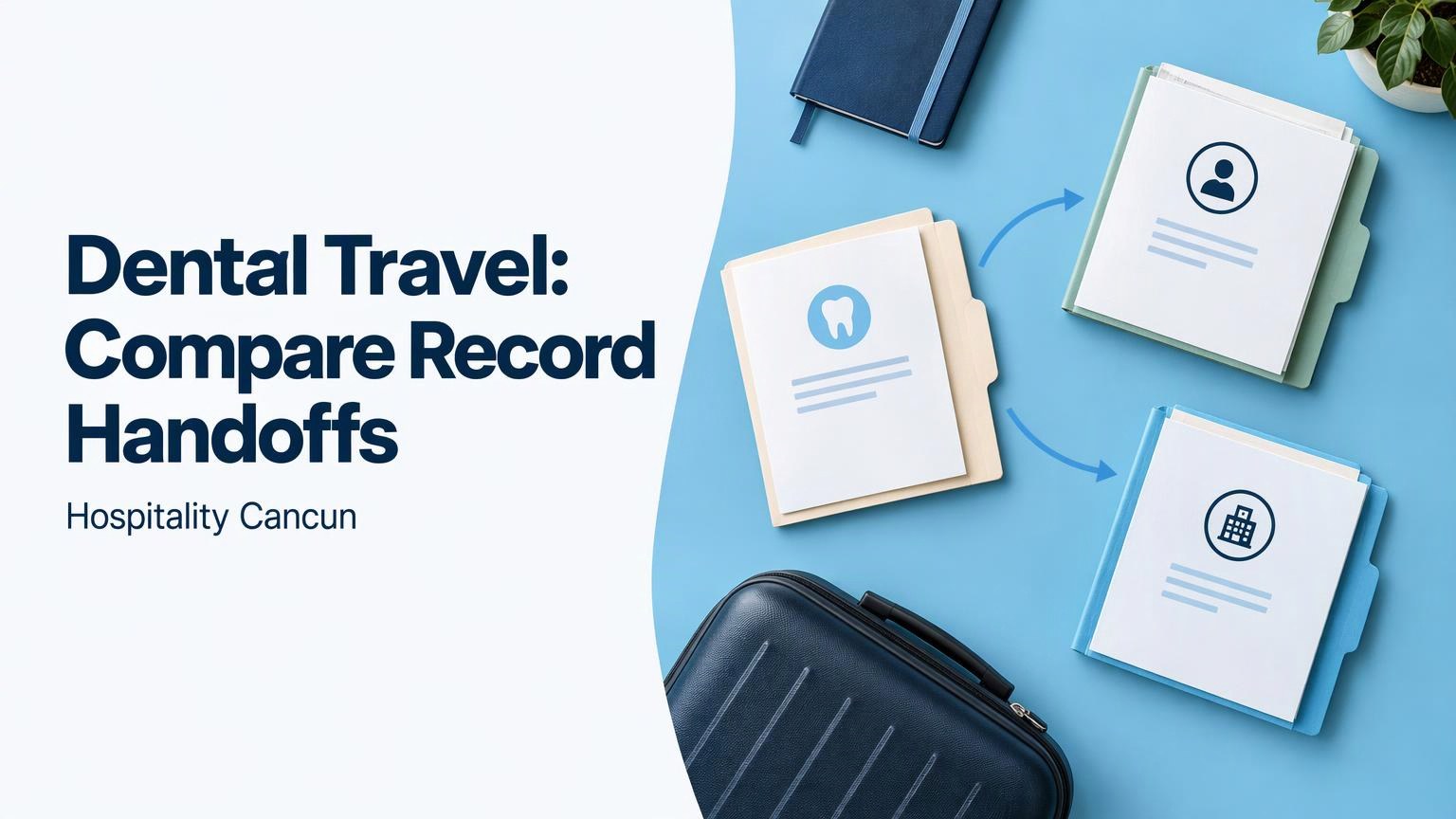
Dental Travel Planning
Compare how you will obtain, retain and share dental documentation before choosing a cross-border care plan.
A promise to “send your records” does not explain what you will receive. What will be sent? Can you obtain it again after returning home? Will your dentist be able to open and interpret it? Compare the handoff separately from treatment selection, so a convenient transfer method does not conceal missing documentation.
Choose between a patient copy, direct transfer or both
A patient-held copy is useful when you want access independent of a particular receiving office. Direct transfer is worth considering when your home dentist specifies a delivery method or file requirements. If both are available, combining them preserves your own access while giving the receiving office its preferred route.
The deciding factor is not the number of messages involved. It is whether you can retrieve the documentation and whether the intended dentist can use it. A download you retain may suit a straightforward handoff; a direct transfer may better fit an office that needs particular imaging files.
Do not assume direct transfer includes a patient copy, or that receiving your own copy authorizes disclosure to another dentist. Establish those arrangements separately. The comparison below describes possible routes, not services every clinic offers.
Keep this assessment separate from the broader decision covered in our dental-provider comparison guide. A convenient records process is one consideration, not evidence of treatment suitability.
Define the packet by what your home dentist needs
Compare named documents rather than accepting “complete records” as a sufficient description. Start with your home dentist’s requirements, then match those requirements to what the treating office says it can release.
For the comparison, separate treatment notes, imaging, prescriptions and follow-up documentation. If implants are involved, have the dentist identify which implant specifications or component details they need. This is a documentation inventory, not a recommendation that you undergo any particular treatment.
Also distinguish the proposed plan from the record of care actually delivered. A pre-treatment estimate describes an intended service; it does not establish what happened at the appointment. Similarly, a payment receipt should not be treated as a substitute for treatment documentation.
Our guide to records to request for dental implant care offers related reading. For this handoff decision, the practical output is a short inventory that both offices can discuss, with missing or unavailable items identified rather than hidden under a general label.
| Arrangement | Choose when | Reason | Trade-off |
|---|---|---|---|
| Patient-held copy | The receiving office accepts files you retain and deliver | You keep access independent of that office | You must manage storage and the agreed delivery steps |
| Direct provider transfer | The home office requests a particular transfer workflow | The offices can resolve delivery requirements directly | Your own copy must be arranged separately |
| Patient copy plus direct transfer | You want retained access and the office’s preferred delivery route | It serves both purposes | The versions and later additions need to be matched |
Compare the release process before relying on access
Favor a process that explains how to request records from home, not merely how to collect them at departure. Written release details give you something concrete to compare without assuming a universal deadline, fee or entitlement.
Use one compact checklist for the variable terms:
- Who handles the request, and what identity or authorization steps apply?
- Does the process distinguish a patient copy from release to a named dentist?
- What delivery timing does the office state, and when does that timing begin?
- Are copying, imaging export, translation or repeat delivery charged separately?
- How are later additions or missing documents requested after you return home?
Keep charges attached to the actual service. For example, a translation charge concerns translation, not the underlying dental treatment. Do not assume that a treatment price includes every records-related service.
If some documents will only be finalized later, distinguish the initial packet from the remaining items. A clear later-delivery process is more useful than treating a partial packet as finished.
Test language and file usability with the receiving office
The receiving dentist should determine which languages and formats are workable. Your ability to open a document is a useful basic check, but it does not establish that the office can use the imaging or interpret the clinical content.
Say you are comparing two proposed handoffs. One offers a readable summary and image screenshots. The other offers treatment documentation plus the imaging files your home office requests. Your home dentist says screenshots alone will not meet their review needs.
First, establish those receiving requirements without sending clinical files through an unknown channel. Next, compare the proposed exports against them. If the second arrangement meets the requirements and provides patient access, it is the better handoff for this situation. If the first office can supply the requested files too, the apparent difference may disappear.
For language, separate an English summary from translation of the full record. Let the receiving dentist identify what needs translation and whether the proposed version is adequate. Do not edit clinical wording yourself to make a packet appear easier to read.
Complete the handoff with receipt and clarification
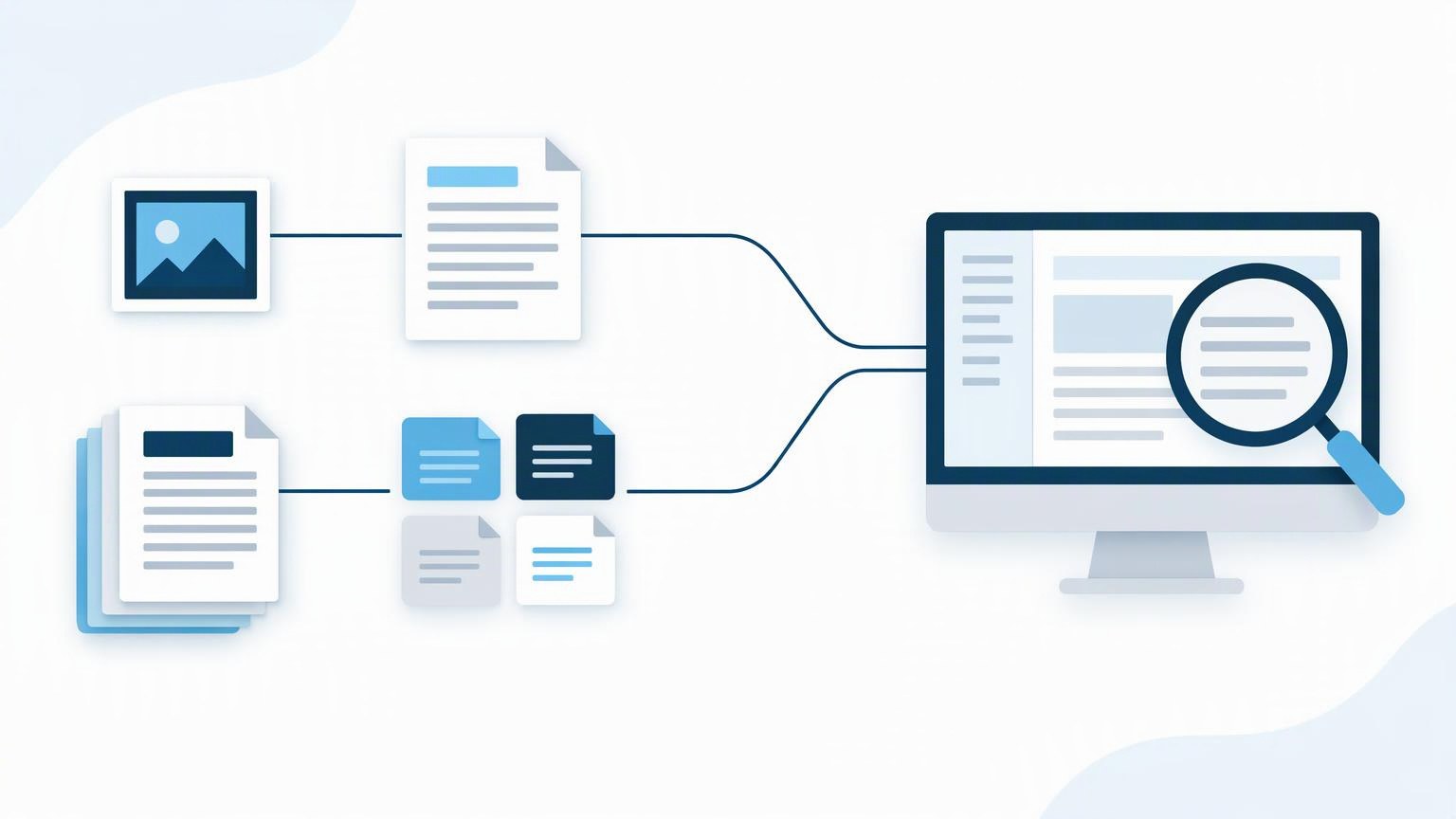
A handoff is not complete merely because someone pressed “send.” Complete it by establishing the intended recipient, using the provider-confirmed secure channel, and obtaining confirmation that the requested documents arrived and can be opened.
Work through the steps in order. The releasing office explains its authorization procedure. You make the relevant sharing choice. The offices confirm the destination and transfer method before clinical information moves. The receiving office then checks the packet against the agreed inventory.
If something is missing, identify the document rather than repeating the entire transfer without knowing what failed. If a file cannot be opened, have the offices resolve the format or access problem. If the content needs clinical explanation, direct that question to the treating dentist rather than trying to interpret or rewrite it yourself.
Keep a simple private log of what was requested, what arrived and what remains outstanding. Receipt confirmation does not mean the home dentist has accepted responsibility for follow-up care; arrange that clinical relationship separately.
Keep travel inquiries separate from clinical records
Use a named provider-confirmed secure channel for diagnoses, scans and dental records. A general travel-planning inquiry is not the place to upload the packet or ask someone to forward it to an unnamed provider.
Before submitting any information through a general inquiry, clarify the recipient and purpose. The first submission is limited to your name and email, with an optional contact-method preference. It does not include travel dates, destination, companion details, a planning narrative or attachments. Ordinary travel details may be discussed later with the confirmed travel contact.
Keep three permissions distinct: a reply to your requested inquiry, optional marketing, and referral to a specifically named provider. Agreeing to a reply is not agreeing to marketing or clinical-record sharing. Payment details and insurance identifiers also do not belong in a general inquiry; they are not clinical records.
Your dental provider remains the source for record-release arrangements and clinical clarification. Use travel-planning discussions for the separate logistics around the care plan, not as a substitute for the dental handoff.
Frequently Asked Questions
Does receiving my records mean a US dentist will provide follow-up care?
No. Receiving documentation and agreeing to provide care are separate decisions. Before relying on a home dentist for follow-up, discuss whether they will review the proposed documentation and what care they are willing to undertake. A successful file transfer does not establish that agreement or determine treatment suitability.
What if I change dentists after returning home?
A retained patient copy gives you a starting point for a new handoff. The new dentist should identify any additional documentation they need. Before sharing clinical files, confirm that dentist’s secure receiving channel and the relevant authorization steps. Do not assume the earlier recipient’s arrangements apply to a different office.
Can a travel companion receive the records for me?
Do not assume that traveling together authorizes access to dental records. If you want a companion involved, discuss the specific role and required authorization with the releasing provider. Keep that choice separate from ordinary companion travel arrangements and from permission to release records to your dentist at home.
What should I do if a record appears inaccurate?
Contact the office that created it and identify the entry you believe needs clarification. Ask how that office handles corrections or explanatory additions. Avoid changing the clinical document yourself. If a revised version is issued, establish whether the receiving dentist also needs that version to replace or supplement the earlier packet.
Should I delay seeking care while waiting for missing records?
Do not use this records guide to decide whether symptoms can wait. Seek appropriate clinical advice and tell the evaluating dentist which documentation is unavailable. The clinician should determine what information or assessment is needed. A records request is an administrative task, not a substitute for assessment or care.