

Follow-Up Planning
Turn a general promise of aftercare into named responsibilities, workable contact instructions, and a practical plan for returning home.
Follow-up is more than a return appointment. A proposal may offer messages, scheduled reviews, or coordination without explaining who evaluates your progress. The useful distinction is between access to a contact and access to an accountable clinician. Use this framework to evaluate a proposed arrangement; your qualified treating clinician must determine treatment suitability, recovery instructions, and travel timing.
Who will be responsible for your follow-up?
Identify the clinician or clinical service responsible for reviewing your progress, along with a named backup or escalation route. A contact who schedules appointments is not necessarily the person who can interpret symptoms or change instructions.
Start with the provider's full professional name and the practice where follow-up will occur. Match credential documents to that person and verify them with the relevant issuing organization or official authority. A title in an advertisement is not enough to establish the qualifications needed for your proposed care.
Then connect names to duties. Who conducts the scheduled review? Who handles a concern between appointments? If another clinician covers an absence, how does that person receive your care information? These answers establish responsibility rather than merely availability.
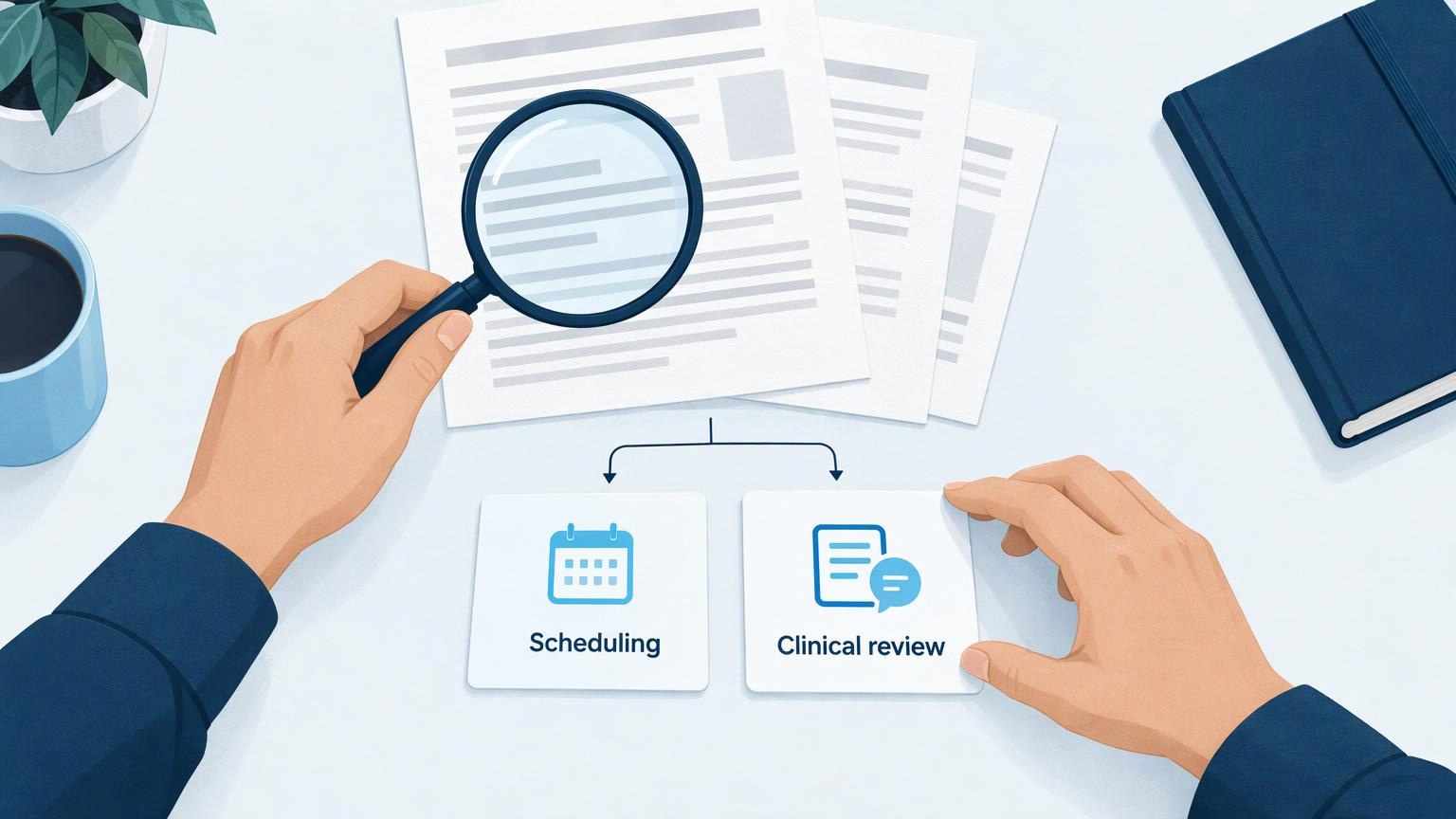
When comparing proposals, favor an explicit assignment of clinical duties over broad wording such as “support after treatment.” An administrative coordinator can have a useful scheduling role, but that role should remain separate from clinical decisions.
Should follow-up happen in Mexico, remotely, or at home?
Use the format your treating clinician considers appropriate for each review. In-person, remote, and home-provider follow-up are possible arrangements to evaluate, not interchangeable substitutes you can select solely for convenience.
First identify the purpose of the review. If the clinician says an examination or on-site service is required, a message or video call does not resolve that requirement. If remote review is proposed, establish whether the provider can offer it while you are at home and what would trigger an in-person assessment.
A combined plan may make sense: an initial review in Mexico followed by agreed reviews after returning home. Its usefulness depends on both sides accepting their roles. If a necessary review has no assigned provider or feasible location, wait to finalize travel bookings until that gap is resolved. More nights in a hotel do not, by themselves, provide clinical follow-up.
| Arrangement | Suitable when | Trade-off |
|---|---|---|
| In-person review in Mexico | The clinician requires an examination or service there. | Travel and lodging must accommodate the review and any revised instructions. |
| Remote review | The clinician approves the format and confirms it can be provided where you will be. | It may not answer questions requiring an examination; an escalation route is still needed. |
| Follow-up with a home provider | A receiving clinician accepts the role and has the necessary information. | Acceptance, records transfer, scheduling, and charges require separate arrangements. |
How will you reach the care team?
Leave with separate instructions for routine follow-up, clinical concerns, and urgent situations. A general travel inquiry or scheduling inbox should not be your only route for a medical concern.
For routine reviews, record the provider-confirmed channel, the person or service monitoring it, and any stated hours and time zone. Establish how receipt is acknowledged and what to do if you cannot reach the intended contact. Do not assume an advertised contact is continuously monitored.
Before departure, test access to the agreed channel without sending unnecessary health information. Make sure you can sign in, locate instructions, and recognize a reply from the intended care service. Clinical records belong only in a named provider-confirmed secure channel.
Ask the treating clinician to explain which concerns require prompt contact and which require urgent local evaluation. Do not wait for an online reply in an emergency. Keep flight changes and lodging questions with the relevant travel contact; clinical assessment belongs with the care team.
What if follow-up changes your return plans?
Let the required review determine the workable itinerary, then compare the financial consequences of changing travel. A planned discharge or completed appointment is not automatically clearance to fly.
Say your proposed trip includes a final clinical review before your return flight, but the clinician has not established whether further observation could be needed. You could buy a restrictive return ticket, choose one with more flexible terms, or postpone the ticket purchase. If the review could change your departure, flexibility may be worth considering. If the necessary stay remains undefined, delaying the commitment avoids treating an estimate as a settled plan.
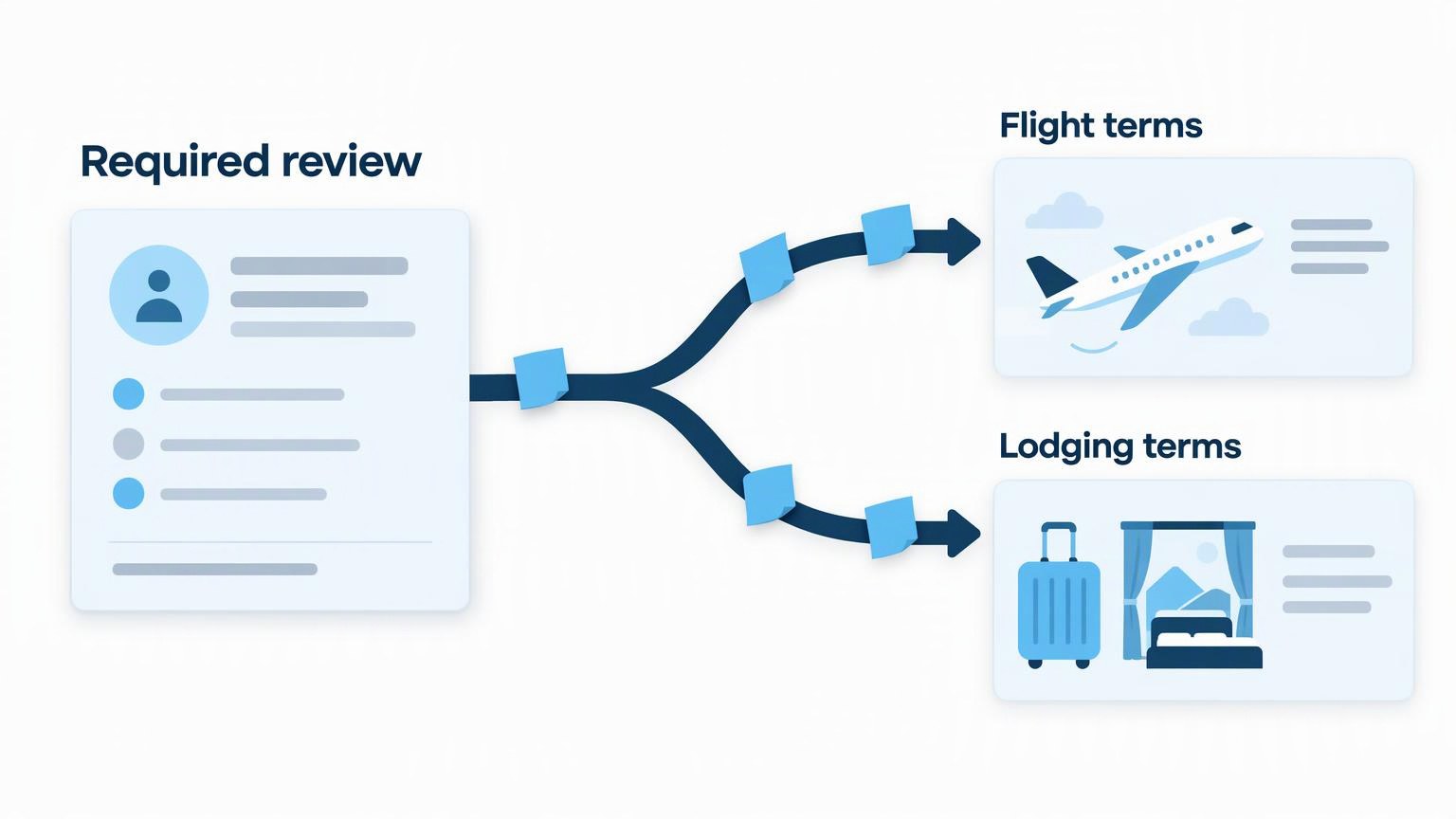
If the clinician later recommends staying longer, separate the services involved. Another clinical review is care; another hotel night and a changed flight are travel services. The clinical reason for the change does not establish who pays, whether lodging is included, or whether the hotel must refund unused nights.
Supplier cancellation, refund, and change terms govern those bookings. Insurance is separate: coverage depends on the policy's exclusions and claim conditions. Neither a medical recommendation nor a package label establishes reimbursement. Our guide to returning home after medical care in Mexico covers the broader departure-planning decision.
How do you arrange follow-up after returning home?
Start with the clinician you already see, or search for the relevant specialty through your usual healthcare access route. Establish whether the receiving practice will accept the specific follow-up role before relying on it.
The sequence matters. First, obtain the proposed handoff requirements from the treating provider. Next, discuss those requirements through the home practice's approved process. An available appointment does not necessarily mean the clinician has agreed to manage all aspects of care performed elsewhere.
Once a practice accepts the role, determine what information it needs and when it must arrive. Depending on the actual care, that may include a treatment summary, medication instructions, relevant results, and the treating provider's contact information. Let the receiving clinician specify the necessary records rather than sending everything indiscriminately.
Confirm receipt and the next appointment. If the practice declines, ask about an appropriate alternative and revisit the original follow-up plan before traveling. The goal is an accepted handoff, not simply a folder you carry home.
What should your final follow-up plan contain?
Your final plan should translate the clinical instructions into actions you can carry out. Keep the provider's instructions accessible and use a short planning summary alongside them, not instead of them.
- Responsibility: the clinical provider for each review and the backup route.
- Schedule: required reviews, location or format, and any conditions affecting departure.
- Escalation: routine contact instructions and clinician-provided urgent-care directions.
- Handoff: the accepting home practice, requested records, and next appointment.
- Costs: included reviews, separately charged services, and applicable travel-change terms.
Read “follow-up included” against that detail. It should identify the service and its scope, rather than leave you guessing whether it means clinical reviews or administrative messages. For a broader comparison, see our guide to comparing medical-travel packages.
Hospitality Cancun publishes travel and consultation-planning guidance. Keep provider-specific follow-up arrangements and recovery decisions with the qualified treating provider; editorial guidance cannot establish a clinical care relationship.
Frequently Asked Questions
Does “all-inclusive” mean every later review is covered?
No. The label alone does not define follow-up coverage. Look for the named service, the period covered, and any separately charged reviews or tests in the actual proposal. Travel changes and care at home need their own terms; do not infer that either is included.
Can a companion manage follow-up communication for me?
A companion may help keep appointments and instructions organized, but establish with the provider what authorization is needed before they receive clinical information or communicate on your behalf. Their practical help does not replace the clinician's assessment, and being listed on a travel booking does not establish permission.
What belongs in a first travel-planning inquiry?
Clarify the recipient and purpose before submitting any information. The first submission permits only name and email, plus optional contact-method preference. Trip details can be discussed later with the confirmed travel contact. Permission to reply, optional marketing, and referral to a specifically named provider are separate choices.
What if the follow-up instructions are not clear in English?
Request an explanation you can understand from the treating provider before relying on the instructions. Restate the next action in your own words and have the provider confirm your understanding. Establish how language support will work for later clinical communication rather than assuming a travel contact can interpret medical advice.
What happens if I cannot attend a scheduled review?
Contact the clinical service through its agreed route to establish the appropriate next step. Do not replace the visit with a message on your own. Separately, review the appointment's cancellation or rescheduling terms. A clinically acceptable alternative and a fee waiver are different decisions made under different conditions.