

Personal Decisions and Travel Planning
Use your birthday as a reason to reflect, not as a deadline for choosing procedures, paying deposits or planning your return flight.
A birthday can bring an appearance preference into focus. It can also create a finish line: a particular outfit, photographs or a celebration where you hope to look different. Those are different starting points, even when they arrive together.
You do not need to decide on surgery to make progress. The useful outcome is a next step that answers your actual uncertainty while preserving your ability to change your mind.
Would you still want this without the birthday?
If the interest would remain after the birthday passed, exploring a consultation may be reasonable. If the appeal depends mainly on being transformed for the event, give yourself more time before making commitments. This is private reflection, not a medical readiness test.
Write what you want to understand about your appearance in plain language. Then remove references to the party, photographs, clothing and anyone else's approval. What remains? A specific, enduring preference gives a consultation something concrete to address. An expectation that surgery will make the birthday feel successful deserves separate consideration.
Personal readiness also includes freedom to decline a recommendation, choose a different plan or decide against surgery. Ask yourself whether you could accept hearing that your preferred timing or procedure combination is not appropriate. If that answer feels difficult because invitations are already sent, the event may be narrowing your choices.
Keep celebration planning and care research as separate decisions. You can continue learning while celebrating without surgery, or pause research without abandoning your appearance goals. Our guide to considering care during a life transition develops the broader personal questions.
Let the consultation define the clinical questions
A qualified treating clinician must assess medical suitability, proposed procedures and clinical timing. Wanting a change, having vacation time or reaching a particular birthday does not settle those questions.
Bring your goals into the clinical conversation as goals, rather than as a purchased procedure list. The useful result is an explanation of what is proposed, why it addresses your concerns, what alternatives exist and what limitations you should understand. A package name cannot provide that individualized assessment.
Before treating a proposal as a travel plan, understand who would provide care, where it would take place and who would handle follow-up. Request the clinician's credentials and the facility's identity for independent verification. A destination name or promotional photograph is not a substitute for identifying the actual people and place responsible.
Keep outcome expectations specific: distinguish the change the clinician believes is possible from your hope to feel different at the celebration. Resolve recovery instructions, follow-up appointments, length of stay and return-travel timing with the treating clinician. A general recovery estimate is not your clearance to fly or attend an event.
| Your situation | Suitable next step | Reason | Trade-off |
|---|---|---|---|
| Your appearance goal would remain without the birthday. | Explore a qualified clinical consultation without an event deadline. | Assessment can address suitability and possible options. | The recommendation may differ from your preferred plan. |
| Photographs or other people's reactions are driving urgency. | Pause commitments and reflect privately. | You retain room to distinguish your own preference from event expectations. | You may celebrate before deciding about care. |
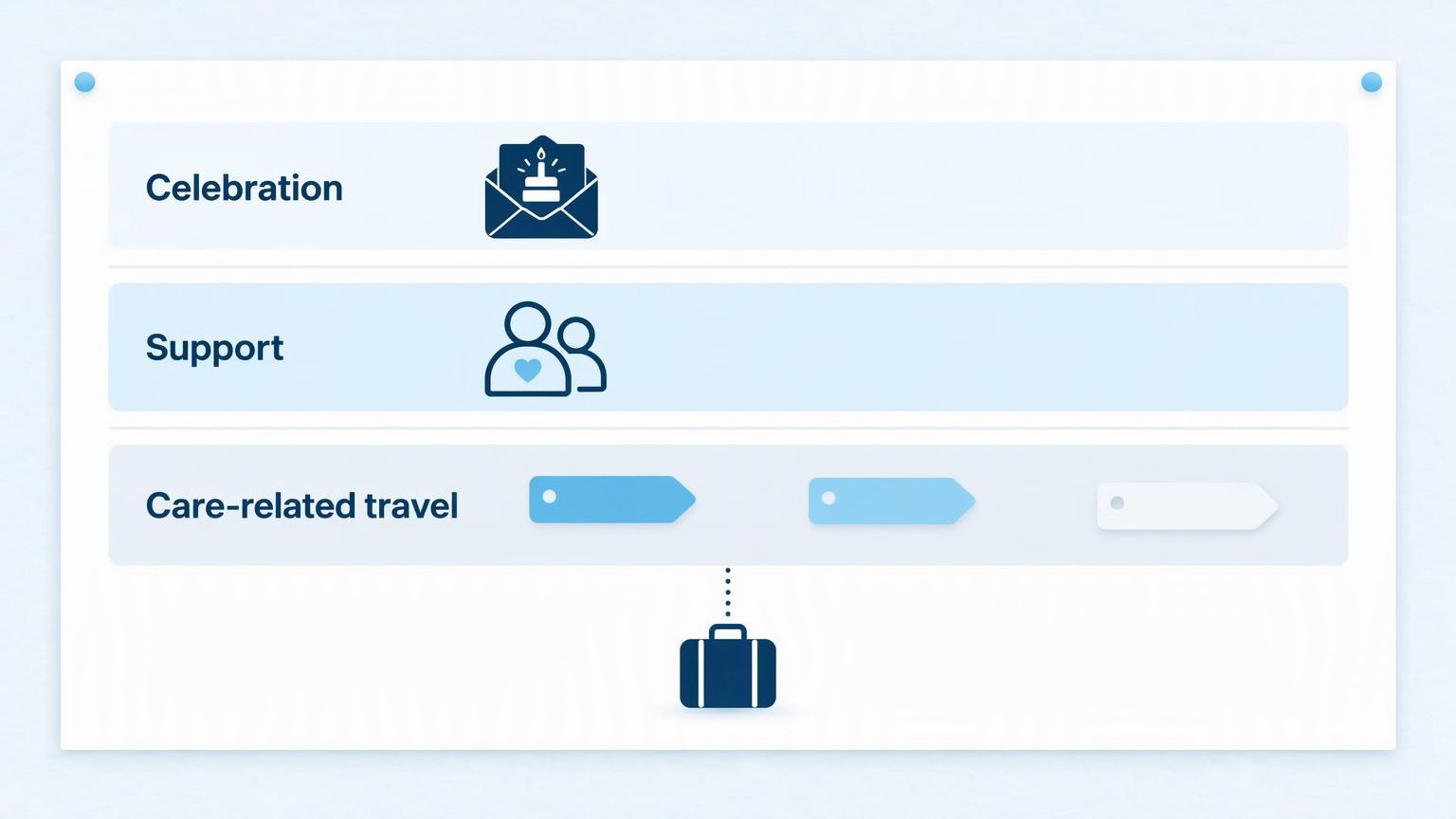
| Your interest is clear, but birthday and travel commitments are fixed. | Separate celebration planning from care-related travel. | Fixed social plans should not determine clinical requirements. | Separate plans may require different time and spending priorities. |

Work through the birthday calendar before booking travel
Keep birthday plans only if they can coexist with the clinician's actual care and follow-up requirements. When they cannot, separate the celebration from care or reconsider timing. Do not shorten a required stay to protect an invitation or flight reservation.
Say you want to attend a fixed birthday dinner at home, and your companion can travel only during a limited work break. You are interested in care in Mexico, but the follow-up schedule is not yet established. The dinner and companion availability are known; the care-related travel window is not.
First, the treating clinician establishes the relevant care and follow-up requirements. You then compare those requirements with time away from work, help at home and the companion's availability. Travel arrangements follow that comparison.
If the requirements do not fit, the alternatives are meaningful: celebrate first and consider care later, move the celebration, or pause while arranging practical support. If the dinner date matters more than changing your appearance beforehand, celebrating first preserves that priority without forcing a clinical deadline.
A companion's early departure is a logistics issue unless the care plan establishes a support requirement. A friend joining the birthday trip does not automatically fulfill clinical support needs. Separately assess whatever assistance the clinician specifies.
Compare the care budget, not the birthday package label
Compare equivalent proposed procedures before comparing totals. Then separate care spending from travel, home arrangements and celebration expenses. An attractive advertised amount does not tell you whether the plan you would actually purchase is affordable.
Use a private worksheet with each proposed procedure on its own row. If one proposal describes a breast lift and another describes augmentation, keep them distinct rather than treating both as the same package. Mark clinical fees, specified follow-up, lodging and transport as included, separately priced or not yet specified. A missing price is not zero.
Add the commitments that sit outside the proposal: work arrangements, childcare or other help at home, and birthday spending. This shows whether pursuing care now would crowd out priorities you want to preserve. Our guide to comparing mommy makeover costs explains the procedure-by-procedure worksheet.
Before paying deposits, read each supplier's cancellation, refund and change terms. An extra hotel night remains a travel charge even if a clinician recommends the longer stay. That recommendation does not establish who pays or whether the night is included. Supplier contract terms determine booking consequences; insurance coverage and claim conditions are separate.
Make destination research your next step, not a commitment
Once you know what you want to investigate, narrow destination research to the actual location being considered. Broad Mexico search results do not establish that a provider, proposal or travel plan is relevant to your chosen destination.
We publish travel and consultation-planning guidance for adults considering Cancun or the Mexican Caribbean. Distinguish that editorial focus from the specific location and care team named in any clinical proposal. Neither a city name nor a contact link establishes medical suitability.
Start with the city and facility named in the proposal, then identify where consultation, treatment and follow-up would each take place. Use those locations to focus your travel research rather than assuming that every appointment shares one address. If a proposal leaves the care location unclear, it is not yet a basis for choosing nearby lodging.
For your birthday decision, the consequence is practical: liking a destination does not mean its proposed care schedule fits your celebration. Keep destination interest separate from treatment selection, and use the clinician's actual appointment and follow-up plan to assess whether travel fits your responsibilities.
Frequently Asked Questions
Can I research care without announcing it to birthday guests?
Yes. You can keep research private and decide separately what, if anything, to tell guests. A celebration does not require an announcement about your appearance plans. If someone asks, you can say you are considering personal goals without discussing procedures, timing or a decision you have not made.
What if someone offers to pay as a birthday gift?
Separate financial help from permission to influence your choice. Clarify whether you can decline surgery, change the proposed plan or postpone without pressure from the person paying. Before accepting money tied to a booking, understand the relevant supplier terms and who would bear costs if arrangements change.
Does booking a consultation commit me to surgery?
Treat assessment and treatment as separate decisions, but read the actual consultation provider's terms before booking. Understand what you are purchasing and whether any payment or deposit applies. Do not assume a consultation fee transfers to surgery, is refundable or creates an obligation to proceed.
Should I choose a larger procedure combination to make the trip worthwhile?
No. The value of a trip does not establish an appropriate procedure combination. Explain your goals to the treating clinician and evaluate the proposed scope on its own merits. Adding procedures to justify airfare or make a birthday gift feel substantial reverses the order of decision-making.
How can I explain a change of plans without sharing medical details?
You can tell guests that your priorities or schedule have changed without explaining care research. Decide which practical information they need, such as whether the celebration is moving, and keep the rest private. Avoid promising a future appearance or attendance date before the relevant decisions are settled.